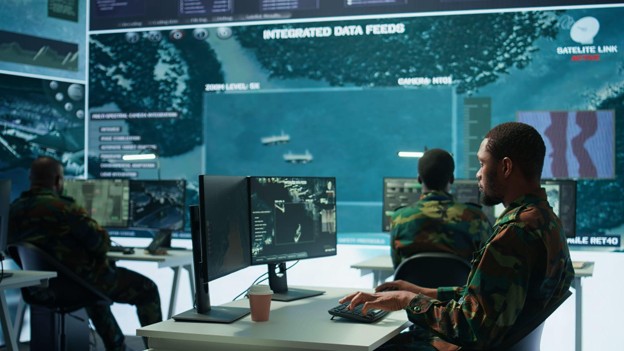
Preparing security professionals for real-world responsibilities requires more than classroom instruction, and John Schauder understands that scenario-based training plays an important role in developing confident, capable, and adaptable teams. Security personnel are often responsible for protecting people, facilities, and critical assets in environments where situations can change quickly. Practical training exercises allow team members to apply their knowledge in realistic settings, strengthening both individual performance and overall team coordination before actual incidents occur.
Rather than relying solely on theory, scenario-based training encourages active participation. By working through simulated situations, security professionals gain valuable experience that improves decision-making, communication, and confidence while reinforcing established procedures.
Practical Training Builds Confidence
Experience is one of the most valuable teachers in any profession.
Scenario-based training allows security personnel to practice the following:
- Decision-making under pressure
- Communication with team members
- Following established procedures
- Assessing changing situations
- Responding with confidence
Working through realistic situations helps individuals become more comfortable applying their training when faced with unexpected challenges.
Each exercise provides an opportunity to strengthen skills in a controlled learning environment.
Realistic exercises improve decision-making.
Security professionals often need to evaluate situations quickly while balancing multiple responsibilities.
Scenario-based training encourages participants to:
- Gather information efficiently
- Evaluate potential risks
- Prioritize immediate actions
- Consider available resources
- Make informed decisions
Practicing these skills repeatedly helps improve judgment while reducing hesitation during real-world situations.
Thoughtful decision-making becomes more consistent through regular training and experience.
Communication Strengthens Team Performance
Successful security operations depend on effective communication.
Training scenarios provide opportunities to practice the following:
- Clear verbal communication
- Information sharing
- Coordinating team responses
- Confirming responsibilities
- Reporting developing situations
Strong communication reduces misunderstandings while helping every team member understand their role within the broader response.
When communication improves, teamwork naturally becomes more effective.
Team Coordination Creates Better Outcomes
A single individual rarely carries out security operations.
Scenario-based exercises help teams develop:
- Mutual trust
- Shared responsibilities
- Consistent procedures
- Collaborative problem-solving
- Greater situational awareness
Practicing together allows team members to understand one another’s strengths while improving overall operational efficiency.
Well-coordinated teams are often better prepared to respond calmly and professionally during challenging situations.
Training Identifies Opportunities for Improvement
One of the greatest benefits of realistic exercises is the ability to evaluate performance before actual incidents occur.
Organizations can use training to identify:
- Communication gaps
- Procedural improvements
- Resource needs
- Additional training opportunities
- Operational strengths
Finding these opportunities during practice allows leaders to make adjustments before they become significant concerns in real situations.
Continuous evaluation supports stronger long-term preparedness.
Adaptability Is a Valuable Leadership Skill
No two situations unfold exactly the same way.
Scenario-based training teaches security professionals to remain adaptable by encouraging them to:
- Evaluate changing conditions
- Adjust response strategies
- Remain calm under pressure
- Support teammates
- Continue focusing on organizational objectives
Adaptability helps teams respond effectively without losing sight of established procedures or professional standards.
Flexible thinking becomes increasingly valuable as organizations continue facing evolving security challenges.
Leadership Develops Through Experience
Practical exercises also provide opportunities for emerging leaders to strengthen their leadership abilities.
Training encourages individuals to:
- Take initiative
- Guide team discussions
- Support coworkers
- Coordinate responsibilities
- Maintain professionalism
These experiences help future leaders build confidence while developing communication and decision-making skills that benefit the entire organization.
Leadership often grows through consistent practice rather than observation alone.
After-Action Reviews Strengthen Future Performance
Learning continues after every training exercise.
Reviewing completed scenarios allows teams to discuss:
- What worked well
- Areas for improvement
- Communication effectiveness
- Decision-making processes
- Lessons learned
These discussions encourage continuous improvement while reinforcing the importance of learning from every experience.
Constructive feedback helps individuals refine their skills and prepares teams for future training opportunities.
Continuous Training Supports Organizational Readiness
Preparedness is not achieved through a single training session.
Organizations strengthen readiness by making scenario-based exercises part of an ongoing professional development program.
Regular training helps:
- Reinforce established procedures
- Maintain operational consistency
- Improve teamwork
- Increase confidence
- Encourage continuous learning
This commitment to ongoing development ensures that security teams remain prepared as organizational needs and operational environments continue to evolve.
Final Thoughts
Scenario-based training provides security professionals with valuable opportunities to develop practical skills before they are needed in real-world situations. Through realistic exercises, teams strengthen communication, improve decision-making, enhance coordination, and identify opportunities for continuous improvement. These experiences build confidence while reinforcing the professionalism required to support effective security operations.
Organizations that prioritize practical training invest not only in stronger procedures but also in the long-term development of their people. By encouraging continuous learning and realistic preparation, scenario-based training helps security teams remain ready to respond thoughtfully, confidently, and collaboratively whenever challenges arise.